
Locked In and Holding Out: How Low Mortgage Rates Are Freezing the Housing Market
Locked In and Holding Out: How Low Mortgage Rates Are Freezing the Housing Market
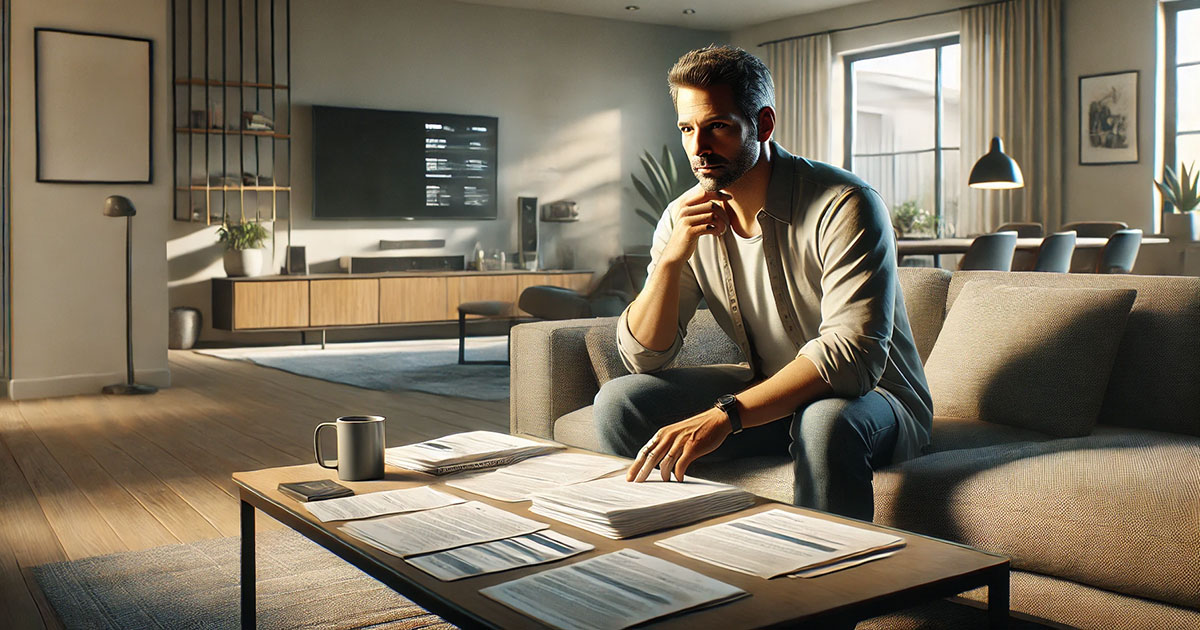
The U.S. housing market is grappling with a persistent shortage of homes, and one major reason is the “lock-in effect.” Homeowners with ultra-low mortgage rates secured during the pandemic are reluctant to sell, even as market demand grows. This hesitance is tightening inventory, driving up prices, and reshaping the dynamics of both buying and selling real estate in 2025.
The Lock-In Effect: A Silent Force Shaping the Market
In 2025, the American housing market is being influenced by an invisible barrier—known as the “lock-in effect.” This term describes a situation where homeowners, having secured historically low mortgage rates in 2020–2021, are now unwilling to sell their homes. With current mortgage rates exceeding 6.5%, many are choosing to hold onto their properties rather than trade their low rates for much higher ones. This is contributing to a serious shortage of homes on the market.
How Ultra-Low Pandemic Rates Created a Housing Freeze
To understand why so many homeowners feel “trapped” in their homes, we need to look back to the early days of the COVID-19 pandemic. In 2020, the Federal Reserve slashed interest rates to support the economy, causing mortgage rates to fall below 3%—a historic low. Millions of Americans locked in those rates by buying or refinancing homes. According to Redfin, over 80% of mortgage holders now enjoy rates below 4%. For these homeowners, selling now would mean accepting a new mortgage at nearly double the interest rate, drastically increasing their monthly payments. As a result, many are choosing not to move.
Low Inventory, High Prices: The Supply Crunch Intensifies
This reluctance to sell has triggered a sharp drop in inventory. The National Association of Realtors reports that active home listings in 2025 are still about 30% lower than before the pandemic. At the same time, demand from buyers remains relatively strong, especially from millennials and Gen Z buyers entering the market. This imbalance is keeping home prices high, even as affordability declines. In competitive cities like Austin, Charlotte, and San Diego, prices continue to rise due to limited supply, despite higher borrowing costs.
Adapting to the New Normal in Real Estate
Both buyers and sellers are changing how they approach the market. Homeowners who do choose to sell often list their homes at premium prices, knowing that competition is tight. Some sellers are also choosing to rent out their homes instead of selling, further limiting available inventory. On the buyer side, many are turning to new home construction, where builders are offering incentives like interest rate buydowns to attract buyers. Others are expanding their home search to more affordable suburbs or rural areas, while some postpone buying altogether in hopes that interest rates will fall.
Beyond Housing: Ripple Effects Across the Economy
The lock-in effect isn’t just a real estate issue—it’s affecting the broader economy. With fewer people moving, job mobility has decreased, making it harder for workers to relocate for better opportunities. Businesses tied to real estate—like moving companies, home inspectors, contractors, and agents—are experiencing a slowdown. First-time buyers, especially, are struggling to find entry-level homes, as current homeowners delay selling. Policy discussions are beginning to focus on potential solutions, such as tax credits for sellers or “portable mortgages” that allow homeowners to transfer their lower rates to new properties.
What’s Next: Can the Market Move Again?
In conclusion, the lock-in effect is one of the key forces shaping the U.S. housing market in 2025. It keeps millions of homes off the market, pushes prices upward, and limits opportunities for buyers and sellers alike. Unless interest rates drop significantly or new policy tools are introduced, many homeowners will remain in place—slowing mobility and maintaining the market’s supply crunch. The challenge now is finding ways to unlock movement and restore balance to the housing ecosystem.

Brokerage
ReLux Realty Group
6250 Griffin Rd Ste #108A Davie, FL 33314
Email: info@reluxgroup.com
Phone: (954) 237-3388, (754) 423-7233
ReLux Realty Group: Redefining South Florida Real Estate
At ReLux Realty Group, we specialize in delivering a bespoke real estate experience that mirrors the sophistication and vibrant energy of the South Florida lifestyle. Our team of seasoned experts provides a comprehensive suite of services, including high-end residential sales, strategic property marketing, and meticulous buyer representation. By leveraging deep-rooted local market knowledge and cutting-edge data analytics, we ensure that every client—whether seeking a waterfront estate in Boca Raton or a modern condo in Delray Beach—navigates the complexities of the market with absolute confidence and ease.
We pride ourselves on a philosophy of excellence that goes beyond the transaction. Our services extend to professional virtual staging, architectural visualization, and personalized investment consulting, designed to maximize the value and appeal of every property we represent. As masters of the South Florida landscape, ReLux Realty Group combines an extensive professional network with a commitment to white-glove service, ensuring that our clients achieve their real estate goals through integrity, innovation, and unparalleled local expertise.
At ReLux Realty Group, we specialize in delivering a bespoke real estate experience that mirrors the sophistication and vibrant energy of the South Florida lifestyle. Our team of seasoned experts provides a comprehensive suite of services, including high-end residential sales, strategic property marketing, and meticulous buyer representation. By leveraging deep-rooted local market knowledge and cutting-edge data analytics, we ensure that every client—whether seeking a waterfront estate in Boca Raton or a modern condo in Delray Beach—navigates the complexities of the market with absolute confidence and ease.
We pride ourselves on a philosophy of excellence that goes beyond the transaction. Our services extend to professional virtual staging, architectural visualization, and personalized investment consulting, designed to maximize the value and appeal of every property we represent. As masters of the South Florida landscape, ReLux Realty Group combines an extensive professional network with a commitment to white-glove service, ensuring that our clients achieve their real estate goals through integrity, innovation, and unparalleled local expertise.